On the Nature of Design: Why Great Design is Like French Cuisine
French cuisine hides the technique and reveals the ingredient. Indian cuisine does the opposite. Digital product design has been quietly choosing sides for a century — and the current drift toward utilitarianism is the French answer.
Design is color, form, taste, and scent. It is what makes our world beautiful, and undoubtedly, its Creator was the very first designer. At the core of design lies a deliberate choice by a creative personality, driven by the urge for self-expression and the desire to reveal the very essence of what is being created.
And here, one simply cannot avoid a culinary analogy.
Two Approaches: France vs. India
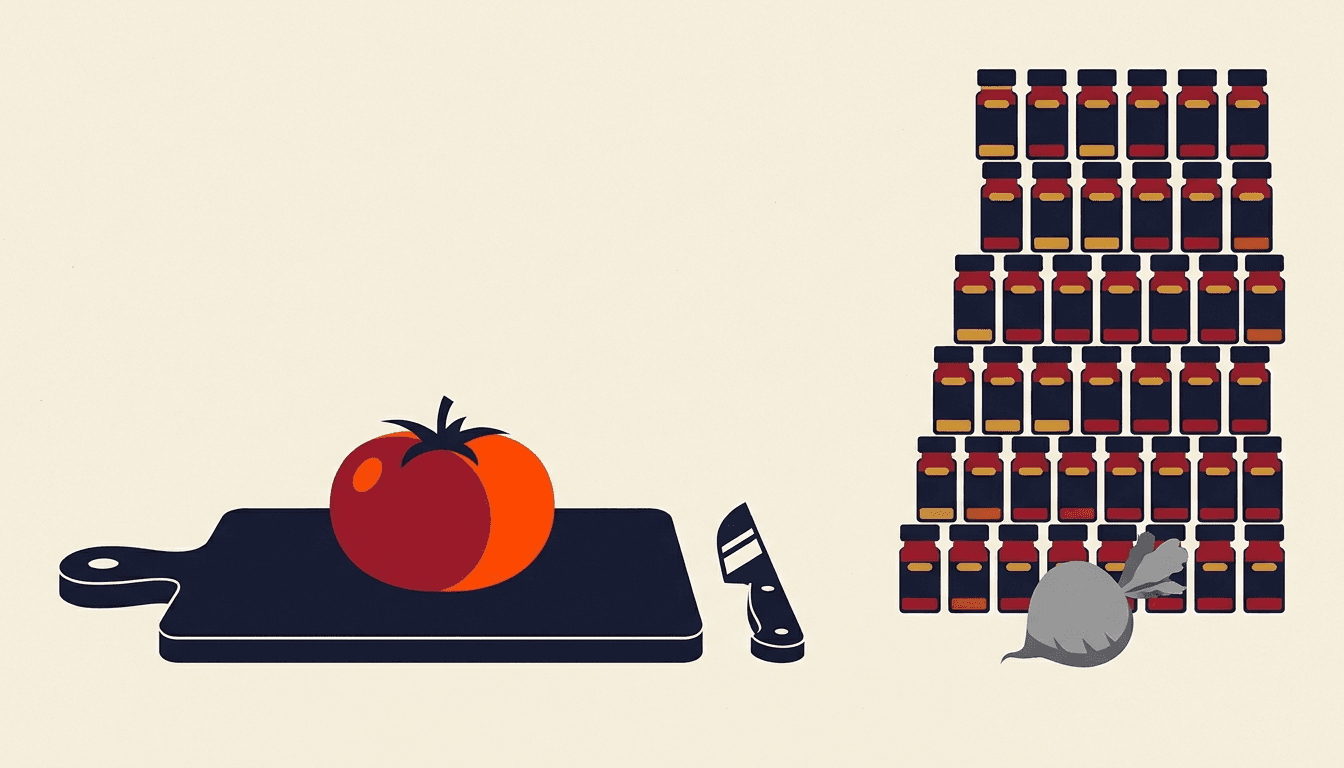
It is French cuisine that best captures the true essence of good design. Its primary rule is not to draw attention to the packaging, but to reveal the contents. The foundation of French dishes lies in bringing out and amplifying the natural flavor of ingredients, elevating the harmony of tastes to a multiposition state where individual flavors and their combination resonate simultaneously.
The exact opposite is Indian cuisine. Here, the focus is placed not on the product itself, but on a complex blend of spices. The product in this case merely acts as a vehicle, giving the spices a base and harmony through its own taste.
How This Works in the Digital World
We observe the exact same thing constantly in web design, mobile apps, and print media. A true designer always balances on a fine line: showcase more of themselves, or showcase more of the message, product, service, and function?
To be a 'Frenchman' means keeping the design unobtrusive while ensuring commercial success and user-friendliness.
To be an 'Indian' means creating flashy work to show off to peers, yet failing to drive real sales or business value.
Naturally, young talents always strive to make as loud a statement as possible and frequently overdo it. Seasoned masters, however, eventually learn to be efficient. They keep the design strictly at the level required by the client and the product, rather than the designer's own ego.
Looking Ahead: Modern Trends in Product Design
This is precisely why modern trends in product design are shifting increasingly toward pure utilitarianism, seamless interfaces, and the maximum simplification of the user journey. Today, what matters most is not overloaded visual effects or flashy animations, but deep, intuitive functionality. The winning product is the one that solves a human problem quietly and elegantly—bringing us right back to the ideal of that very same French cuisine, where form is entirely subordinated to the purity and power of the contents.
Share this note
Responses
RESPONSES (0)
Every response is read by a human before it appears here. Keep it honest, keep it civil.
No responses yet — the first one is yours.