The Gap Between AI's Potential and People's Ability to Use It
Access to a powerful tool is not the same as knowing how to use it. People pour hundreds of hours and serious money into tools like Claude and still end up without production-grade software. The problem is not the model — it is the systems never built around it.
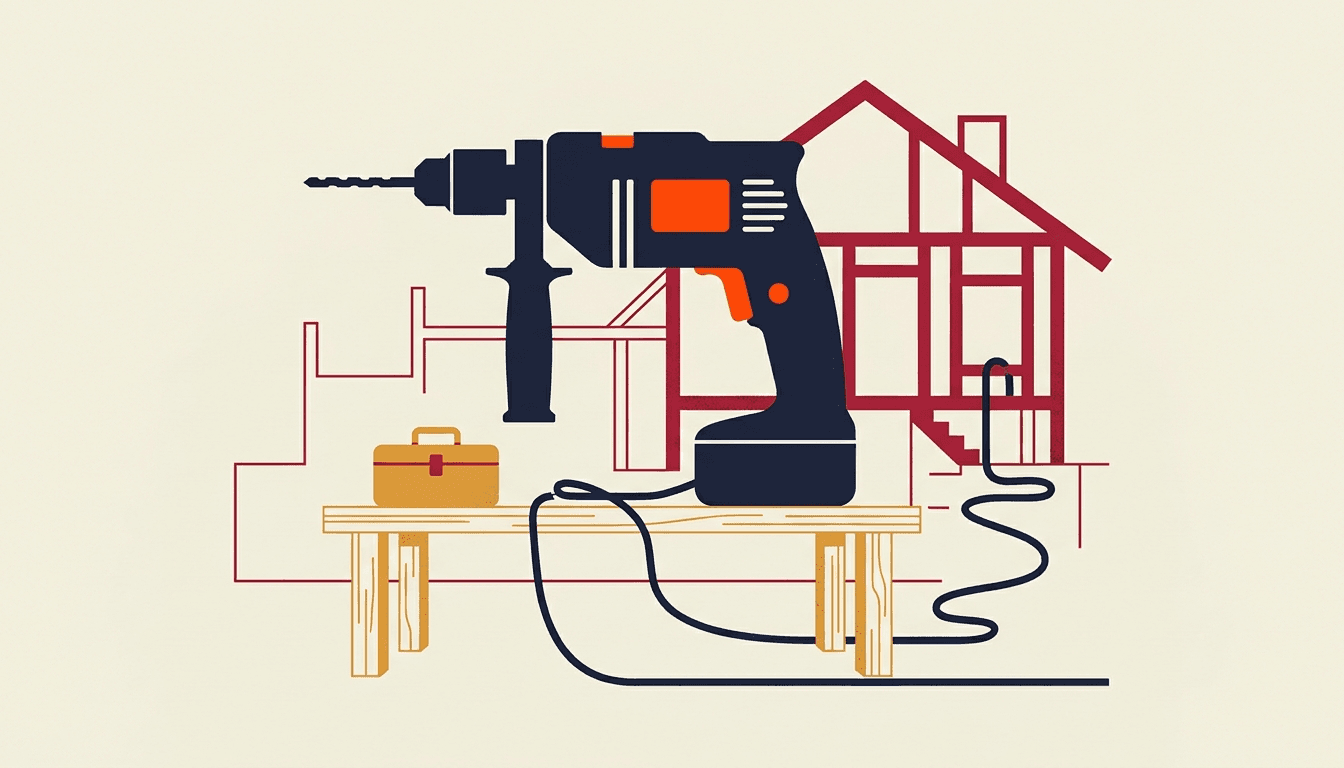
We live in a world where AI can turn software dreams into reality. Yet many people still struggle to achieve their goals with it. There is nothing wrong with that. Society has always had simple tools capable of accomplishing remarkable things. A hammer and a drill can build a house, yet many people still prefer to hire a professional rather than do the work themselves.
AI is no different. The availability of a powerful tool does not automatically give everyone the ability to use it effectively.
The stories are already out there: people spending hundreds of hours and significant amounts of money on tools like Claude, only to end up without production-grade software. They had an idea, access to an incredibly capable AI, and the determination to make it work. Yet the result fell short of their expectations.
Why It Happens
Perhaps the limitations of the LLMs available at the time were underestimated. Perhaps the process was undermined by a series of misunderstandings between the human and the AI. Perhaps the supporting tools were inadequate, the project lacked proper architecture, or the AI had no reliable long-term memory to preserve decisions, context, and accumulated knowledge.
It may have been a combination of all these factors.
What the Real Challenge Is
Whatever the cause, one thing becomes clear:
Having access to intelligence is not the same as knowing how to turn it into a reliable result.
The challenge is not simply getting AI to write code. It is maintaining a shared understanding of the goal, preserving context over time, coordinating the work, choosing the right tools, and ensuring that the final product actually meets production standards.
The Opportunity
The opportunity, therefore, is not merely to make AI more intelligent. It is to build the systems, workflows, and communication methods that allow people to translate their intentions into reliable outcomes through AI.
Share this note
Responses
RESPONSES (0)
Every response is read by a human before it appears here. Keep it honest, keep it civil.
No responses yet — the first one is yours.